Environment
- Environment
Bacterial ‘living wires’ could help protect the seas and climate
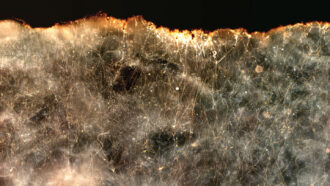
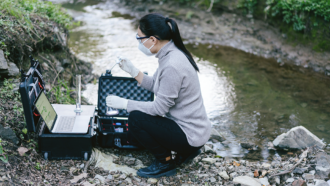
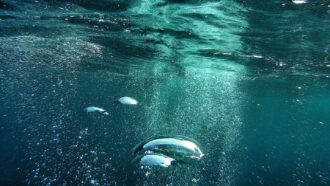
Long, thin bacteria that conduct electricity may be able to help clean up oil spills and reduce emissions of methane, a powerful greenhouse gas.
- Earth
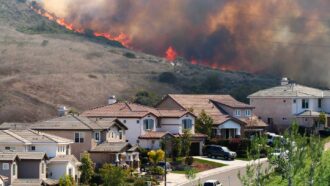
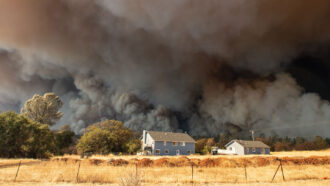
Analyze This: Wildfires are pumping more pollution into U.S. skies
Researchers wanted to study the health effects of wildfire smoke. But they realized they didn’t know where it was and how much exposure people had.
- Environment
‘Forever’ chemicals show up in students’ school uniforms
Researchers found PFAS “forever chemicals” in kids’ school uniforms and other clothing. Studies have linked these compounds to health risks.
- Materials Science
Let’s learn about microplastics
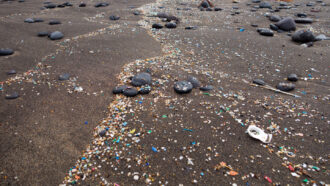
Microplastics have turned up everywhere from the highest mountains to the bottom of the ocean — and even inside animals and people.
- Climate
Warming temps could turn some blue lakes green or brown
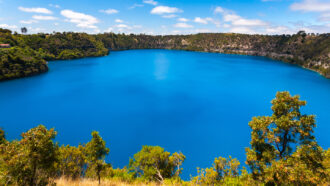
Slightly warmer summers could cause thousands of blue lakes to become a murky green or brown, according to a tally of color in 85,000 lakes worldwide.
- Health & Medicine
Wildfire smoke seems to pose its biggest health risk to kids
New studies, some of them in young monkeys, point to vulnerabilities affecting kids' airways, brains and immune systems.
- Environment
Western wildfire smoke poses health risks from coast to coast
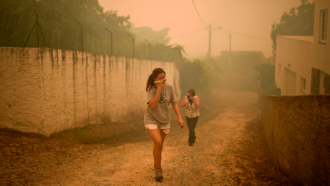
As wildfires become more common, their hazardous smoke is sending East Coast residents — especially children — to emergency rooms.
- Chemistry
Simple process destroys toxic and widespread ‘forever’ pollutants
Ultraviolet light, sulfite and iodide break down these PFAS molecules faster and more thoroughly than other methods.
- Animals
Here’s why cricket farmers may want to go green — literally
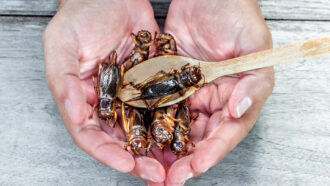
Crickets are great sources of protein, but they often kill each other in captivity. Green light could help solve the problem, two teens find.
- Environment
Bubbles could help remove trash from rivers
One young engineer devised a way to make bubbles sweep away the trash floating down a creek, like the one in her backyard.
- Oceans
Night lights make even the seas bright
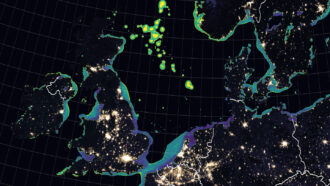
Light from coastal cities and offshore development may shine deep enough to disrupt tiny critters living dozens of meters (yards) below the surface.
- Environment
Ponds made to control floods can spew climate-warming gases, study finds
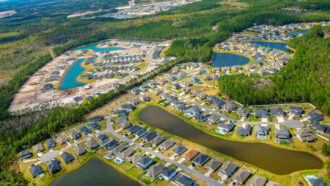
Younger stormwater ponds can release more carbon in gases than they absorb, a study finds. That could aggravate global warming.