
All Stories by Alison Pearce Stevens
- Health & Medicine
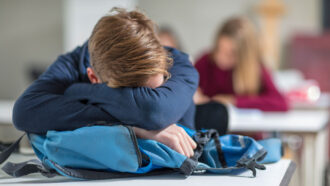
Starting schools later leads to less tardiness, fewer ‘zombies’
Students attending schools with later start times feel more awake during the day and are less likely to oversleep and be late for class.
- Animals
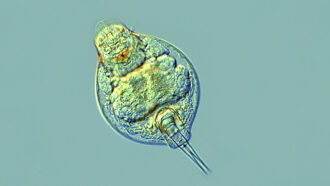
Tiny animals survive 24,000 years in suspended animation
Tiny bdelloid rotifers awake from a 24,000-year slumber when freed from the Arctic permafrost.
- Animals
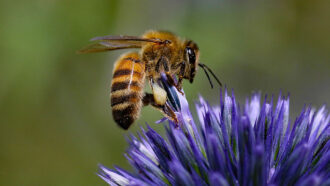
Abdominal fuzz makes bee bodies super slippery
Scientists find that tiny hairs on a honeybee’s abdomen reduce wear and tear as a bee’s outer skeletal parts rub against each other all day long.
- Fossils
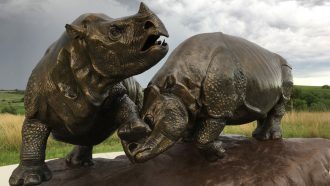
Rhinos, camels and bone-crushing dogs once roamed Nebraska
Scientists digging into the remnants of an ancient watering hole in Nebraska discovered evidence of an Africa-like savanna, complete with rhinos.
- Brain
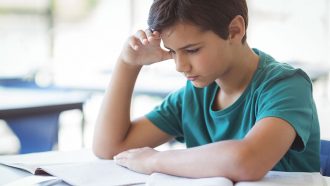
Patterns in brain activity can identify who will struggle to read
Certain patterns of brain activity predict whether teens are strong readers or will struggle. Those diagnostic patterns show up even when doing math.
- Plants
Urban gardens create a buffet for bees
City gardens provide a huge amount of nectar and pollen for pollinators, making them an essential conservation tool.
- Health & Medicine
Teen depression linked to how the brain processes rewards
Depression in teens alters their brains’ pathways in ways that may put those kids at risk of lifelong mental-health problems — unless they get help.
- Physics
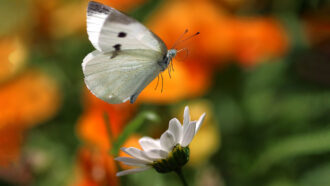
Butterflies use jet propulsion for quick getaways
If you have ever tried to catch a resting butterfly, you know they are surprisingly difficult to nab. A new study helps explain why.
- Brain
Study is first to link brainwaves to certain forms of thought
Electrical activity in the brain reveals when we are focused or allowing our minds to wander freely.
- Psychology
Can’t remember? Maybe you multitask too much between screens
Splitting your attention between devices can make it hard to create new memories, even when you’re not multitasking.
- Health & Medicine
Social distancing for teens shouldn’t mean giving up your social life
During even partial lockdowns, keeping connected with friends makes all the difference. That’s what athletes and other teen groups are finding.
- Animals
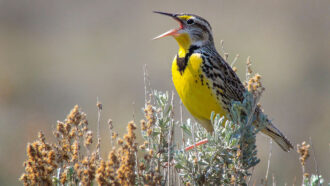
Around the world, birds are in crisis
Human activities around the world are threatening bird species. Numbers of even some of the most common species are starting to fall.