
All Stories by Carolyn Wilke
- Ecosystems
Analyze This: Invasive species cost the world billions each year
A new study estimates that invasive species have cost the world more than $1 trillion since 1970. That’s almost certainly an underestimate.
- Fossils
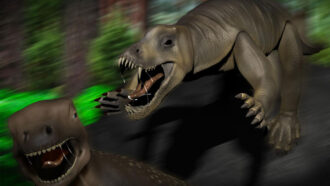
An ancient hippo-sized reptile may have been a speedy beast
An Anteosaurus was a hefty reptile with a large snout. Its fossil skull hints that it may have moved fast for its time.
- Animals
Analyze This: Cows burp less methane after early-life treatment
Calves that receive the 14-week treatment belch less of the greenhouse gas, possibly due to shifts in their gut microbes.
- Animals
Analyze This: Some dogs quickly learn new words
Two dogs picked up new words after hearing them a few times during play, but 20 other pets didn’t fare so well at learning the names of new toys.
- Climate
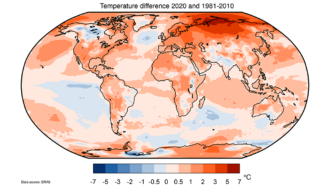
Analyze This: 2020 ties with 2016 for hottest year on record
Last year capped the warmest decade on record. It coincided with a growing increase of warming greenhouse gases in Earth’s atmosphere.
- Environment
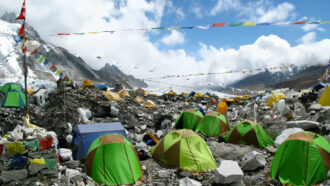
Analyze this: Microplastics are showing up in Mount Everest’s snow
Microplastics have made their way to the snow on Earth’s tallest peak. Most of the plastic likely comes from climbers’ equipment and clothes.
- Oceans
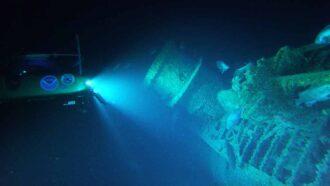
Analyze This: Shipwrecks provide a home for bottom-dwelling fish
Fish have found a habitat in a submarine and freighter that sunk to the seafloor during World War II.
- Animals
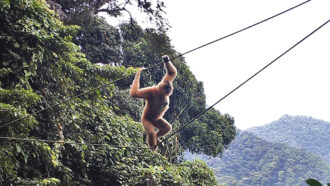
Analyze This: Ropes restore a gibbon highway through a rainforest
When endangered Hainan gibbons started making risky leaps across an area mowed down by a landslide, researchers provided them a rope bridge.
- Materials Science
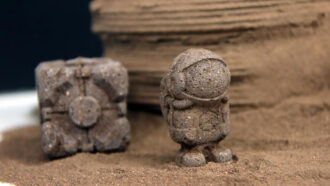
Analyze This: Insect shells could help builders on Mars
When mixed with rocky soil, a compound called chitin makes a strong material. It could be pulled from the shells of insects used for food.
- Animals
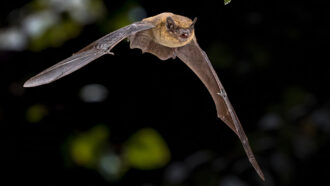
Here’s what bats ‘see’ when they explore the world with sound
High-speed cameras, fancy microphones and slick software are helping scientists get the best look yet at what bats perceive through echolocation.
- Animals
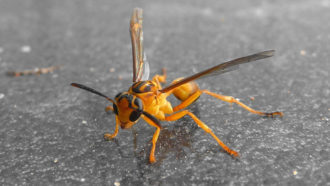
A wasp nibbled a baby bird for breakfast
Scientists found an injured baby bird in a nest they were studying. The culprit wasn’t another bird or a reptile. It was a wasp.
- Environment
Analyze This: Perfumes from everyday products collect in distant ice
Common scent-bearing chemicals are trapped in ice cored from Europe’s tallest peak. Dig into the data to find a story behind that pollution.