
All Stories by Jonathan Lambert
- Animals
More playtime and meatier meals might reduce kitty kills
Keeping cats indoors is the best way to prevent them from killing wildlife. But small changes to diet and play can help, too.
- Health & Medicine
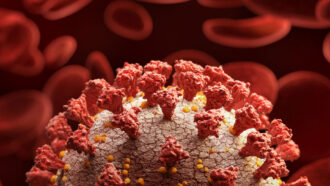
Some young adults will volunteer to get COVID-19 for science
Researchers will soon give some healthy people the new coronavirus. Their young volunteers have agreed to get sick to speed coronavirus research.
- Animals
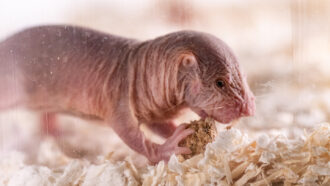
Unique dialects help naked mole-rats tell friends from foes
Computer analysis reveals that these social rodents communicate with speech patterns distinct to each colony.
- Animals
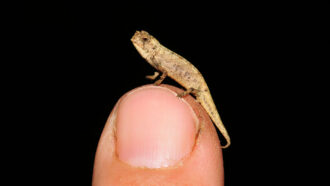
A new chameleon species may be the world’s tiniest reptile
The newly described reptiles live in the northern forests of Madagascar. Deforestation there may also leave them on the brink of extinction.
- Animals
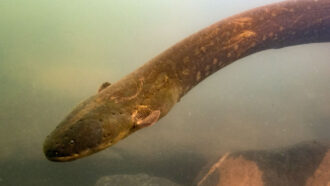
Some electric eels coordinate their attacks to zap prey
Electric eels were thought be to lone hunters — until researchers observed more than 100 eels hunting together. Their coordinated electric attacks corralled prey.
- Ecosystems
Can people protect as much space as nature needs?
To save biodiversity, nations are drafting a plan to protect 30 percent of Earth by 2030. Up for debate is how best to do that.
- Animals
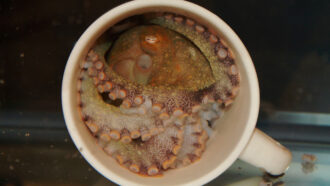
Touching allows octopuses to pre-taste their food
Special sensory cells in their arms’ suckers sense chemicals. Those cells allow them to taste the difference between food and poison.
- Life
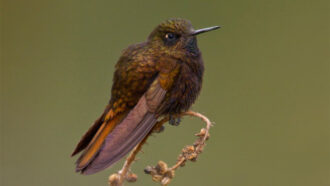
One hummingbird survives cold nights by nearly freezing stiff
To survive a freezing night, hummingbirds in the Andes mountains go very still, slow their heart rate and let their body temperature plummet.
- Life
If bacteria stick together, they can survive for years in space
Tiny clumps of bacteria can survive at least three years in outer space. This raises the prospect of interplanetary travel by microbial life.
- Animals
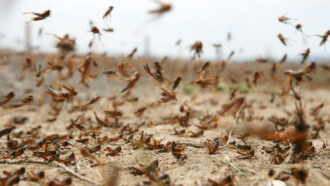
A single chemical may draw lonely locusts into a hungry swarm
Swarms of locusts can destroy crops. Scientists have discovered a chemical that might make locusts come together in huge hungry swarms.
- Animals
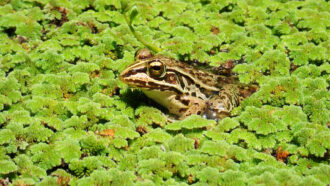
Some beetles can be eaten by a frog, then walk out the other end
After being eaten by a frog, some water beetles can scurry through the digestive tract and emerge on the other side — alive and well.
- Humans
When it comes to downing hot dogs, science says there’s a limit
Humans may be able to eat only 83 hot dogs in 10 minutes, new research suggests.