Psychology
- Health & Medicine
Vaping can lead to teen smoking, new study finds
A study in L.A. high school students finds that those who vape are much more likely than those who don’t to eventually take up smoking cigarettes.
- Math
New math: Fail + try again = real learning
Hands-on instruction by trial and error is gaining traction. Kids really can learn mightily from their mistakes.
- Brain
Back off, bullies!
Mental health is another reason to stop bullies. Victims of bullying are more likely to develop anxiety problems than are victims of abuse or neglect, a new study finds.
- Health & Medicine
Stress for success
Stress and anxiety can lead to serious mental and behavioral problems. Identifying stressors can help people cope with anxiety. Even better, viewing stress as a strength can tone down anxious feelings and boost productivity.
- Psychology
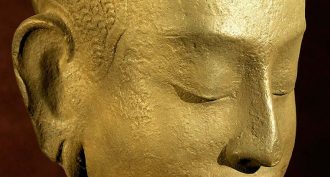
Scientists Say: Pareidolia
We often see things that aren’t there, such as bunnies in clouds or faces in toast. They aren’t real, but they do have a special name
- Brain
The distracted teenage brain
Teens often show poor judgment in decision-making. Scientists have long blamed this on the fact that their brains are still developing. A new study offers another explanation: distractions form rewarding behaviors — ones that persist even after the reward itself has disappeared.
- Health & Medicine
The media’s dangerous influence on body image
A study found how powerful TV and ad messages can be in distorting the attitudes about body image among young girls in Fiji.
- Health & Medicine
Watch out: Cell phones can be addictive
Smartphones and Facebook are convenient. New research shows that for some people they also can become dangerously addictive.
- Brain
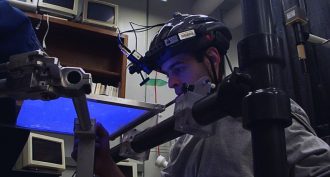
Mistakes: A key to learning
This man uses a robotic arm to move a cursor across a computer screen. The screen blocks his view of his hand and arm. This focuses his attention on any errors he makes as he tries to move a cursor to a target location.
- Brain
Choosing shocks over contemplation
Some people think being alone is unpleasant. In one new study, some found choosing to get a painful shock helped them endure being alone for 15 minutes.
- Brain
Loneliness can breed disease
Everyone experiences loneliness from time to time. But when allowed to persist, loneliness can damage your health and steal years from your life.
- Brain
Fear prompts teens to act impulsively
A new study finds that teens may act impulsively in the face of fear. This might help explain high rates of violence among such adolescents, the authors say.